
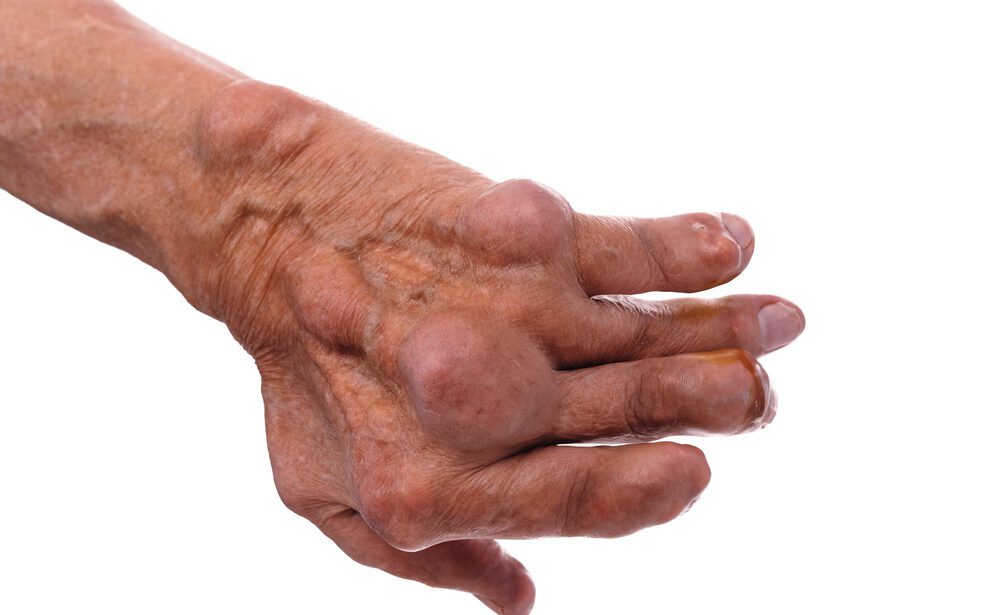
Infectious Arthritis
Infectious arthritis, also known as septic arthritis, occurs when a microorganism (bacteria, viruses, fungi, or parasites) infects a joint, causing inflammation, pain, and swelling. This condition can affect people of all ages and requires immediate medical intervention to prevent permanent joint damage. If untreated, infectious arthritis may lead to serious complications, including joint destruction and systemic infections like sepsis.
Causes of Infectious Arthritis:
- Bacterial Infections (Septic Arthritis):
- Most common cause, with bacteria entering the joint through:
- Bloodstream spread from another infected area
- Direct trauma, surgery, or injection
- Common Bacteria:
- Staphylococcus aureus (including MRSA)
- Streptococcus species
- Neisseria gonorrhoeae (in sexually active individuals)
- Borrelia burgdorferi (causes Lyme disease)
- Most common cause, with bacteria entering the joint through:
- Viral Infections:
- Viruses cause joint inflammation without directly infecting the joint tissue.
- Examples:
- Hepatitis B and C
- Parvovirus B19
- HIV
- Rubella
- Fungal Infections:
- More common in people with weakened immune systems (e.g., cancer, HIV patients).
- Examples:
- Candida species
- Aspergillus
- Histoplasma
- Parasitic Infections:
- Rare, often found in immunocompromised individuals or those in endemic areas.
- Example: Toxoplasma gondii
Risk Factors:
- Compromised immune system (e.g., diabetes, HIV, cancer)
- Pre-existing joint conditions (e.g., rheumatoid arthritis, osteoarthritis)
- Recent joint surgery or prosthetic joints
- Intravenous drug use
- Open wounds or trauma near a joint
- Young children and older adults (due to weaker immune response)
Symptoms of Infectious Arthritis:
- Sudden onset of severe joint pain
- Swelling and redness over the affected joint
- Warmth around the joint
- Limited movement or stiffness due to pain
- Fever, chills, and other systemic symptoms (in bacterial infections)
- Single-joint involvement is common (e.g., knee, hip, shoulder, elbow, or ankle)
Diagnosis of Infectious Arthritis:
- Joint Fluid Aspiration (Arthrocentesis):
- Fluid is drawn from the affected joint to identify infectious agents and check for elevated white blood cells and protein levels.
- Blood Tests:
- Elevated ESR and CRP (inflammatory markers)
- Blood cultures to identify organisms in systemic infections
- Imaging Studies:
- X-rays and MRI to assess joint damage or fluid accumulation
- Ultrasound to detect fluid buildup within the joint
- Cultures and Serologic Tests:
- Identify specific pathogens like Neisseria gonorrhoeae or Lyme disease bacteria.
Treatment of Infectious Arthritis:
1. Antibiotic or Antifungal Therapy:
- Bacterial infections:
- Intravenous broad-spectrum antibiotics initially (e.g., vancomycin, ceftriaxone)
- Adjust based on culture results to target the specific pathogen
- Viral infections:
- Supportive care (antivirals are used only in certain cases, like HIV)
- Fungal infections:
- Antifungal medications (e.g., fluconazole, amphotericin B)
2. Joint Drainage:
- Needle Aspiration:
- Repeated aspirations to remove infected fluid and relieve pressure.
- Arthroscopy:
- Minimally invasive surgery to clean the joint.
- Open Surgery:
- Used in severe cases or when arthroscopy is not possible (e.g., deep hip infections).
3. Supportive Care:
- Pain management with NSAIDs or acetaminophen.
- Immobilization of the affected joint to reduce pain during acute treatment.
- Physical therapy after infection control to restore joint mobility and strength.
Complications:
- Permanent joint damage and deformity
- Osteomyelitis (bone infection)
- Chronic arthritis in previously healthy joints
- Prosthetic joint infection, possibly requiring joint replacement
- Sepsis (life-threatening systemic infection)
Prevention:
- Prompt treatment of infections elsewhere in the body to prevent bloodstream spread.
- Aseptic techniques during surgery, injections, or IV treatments.
- Prophylactic antibiotics for patients with joint replacements undergoing dental or surgical procedures.
- Vaccination (e.g., hepatitis and rubella vaccines) to prevent certain viral infections.
Prognosis:
- Early diagnosis and treatment are critical to avoid long-term joint damage.
- With appropriate antibiotics and joint drainage, most bacterial infections resolve without complications.
- Delayed treatment may result in chronic arthritis or systemic complications like sepsis.
Conclusion:
Infectious arthritis is a medical emergency that requires immediate treatment to prevent serious complications. Early intervention with antibiotics, joint drainage, and supportive care can lead to full recovery. Awareness of risk factors and prompt action can significantly reduce the likelihood of long-term joint damage and improve patient outcomes.