
Overview
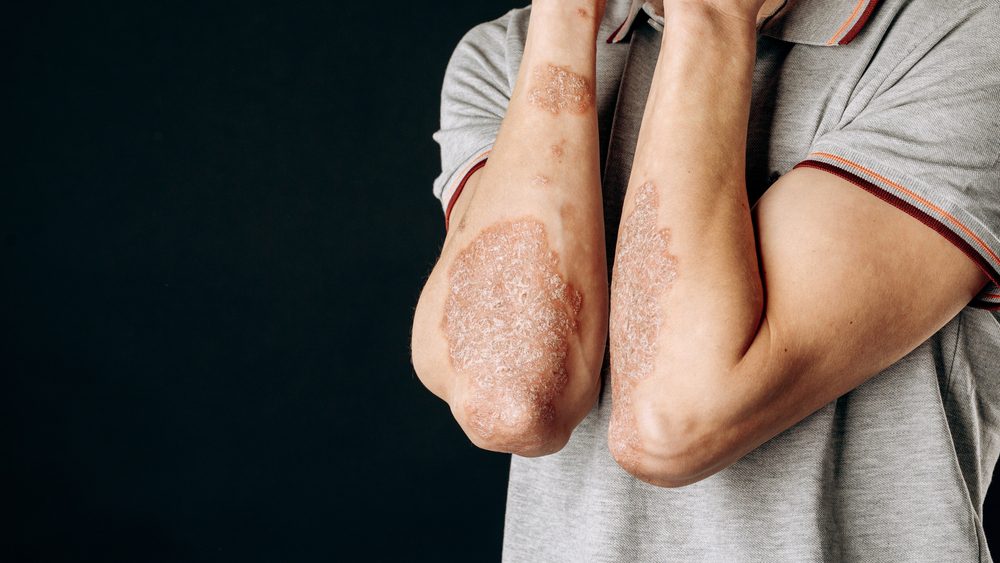
Psoriatic arthritis (PsA) is a chronic inflammatory disease that affects both the skin and joints. It often occurs in people with psoriasis, an autoimmune skin condition characterized by red, scaly patches. PsA can cause joint pain, stiffness, and swelling, potentially leading to joint damage if left untreated. Our psoriatic arthritis services offer comprehensive care, including diagnosis, treatment, and long-term management to improve quality of life and prevent disease progression.
Diagnostic Procedures
- Clinical Evaluation:
- Detailed medical history and physical examination to identify joint symptoms and signs of psoriasis, such as red, scaly skin lesions.
- Imaging Studies:
- X-rays: To assess joint damage, bone erosion, and new bone formation specific to PsA.
- Ultrasound or MRI: Used for a more detailed view of inflammation in joints, tendons, and ligaments.
- Laboratory Tests:
- Rheumatoid Factor (RF) and Anti-CCP Antibodies: To differentiate PsA from rheumatoid arthritis, as these are usually negative in PsA.
- Elevated Inflammatory Markers: Such as C-reactive protein (CRP) and erythrocyte sedimentation rate (ESR), which may indicate active inflammation.
- Nail and Skin Examination:
- Detailed assessment of nails and skin for signs of psoriasis, such as pitting, onycholysis (nail separation), and characteristic skin plaques.
- Enthesitis and Dactylitis Evaluation:
- Specialized assessment for inflammation at tendon and ligament attachment sites (enthesitis) and sausage-like swelling of fingers and toes (dactylitis), common in PsA.
Symptoms of Psoriatic Arthritis
- Joint Pain and Swelling: Pain, swelling, and tenderness in one or more joints, often asymmetrical.
- Morning Stiffness: Stiffness and reduced mobility in the joints, particularly in the morning or after rest.
- Dactylitis: Swelling of entire fingers or toes, giving them a sausage-like appearance.
- Enthesitis: Pain and tenderness where tendons or ligaments attach to the bone, commonly affecting the heels or bottom of the feet.
- Nail Changes: Pitting, ridges, discoloration, or separation of the nail from the nail bed.
- Skin Lesions: Red, scaly patches of psoriasis, often found on the scalp, elbows, knees, and lower back.
Possible Treatments
- Medications:
- Nonsteroidal Anti-Inflammatory Drugs (NSAIDs): To relieve pain and reduce inflammation.
- Disease-modifying antirheumatic Drugs (DMARDs): Such as methotrexate or leflunomide, to control joint and skin symptoms.
- Biologic Agents: Targeted therapies like TNF inhibitors or IL-17 inhibitors to reduce inflammation and prevent joint damage.
- Phosphodiesterase-4 Inhibitors (PDE4): Such as apremilast, to manage skin and joint symptoms.
- Corticosteroids: For short-term relief of severe inflammation.
- Topical Treatments:
- For mild to moderate skin psoriasis, topical creams and ointments like corticosteroids or vitamin D analogs can be used.
- Physical Therapy:
- Customized exercise programs to maintain joint flexibility, strength, and overall function.
- Techniques to manage pain and improve mobility.
- Lifestyle Modifications:
- Weight Management: Maintaining a healthy weight to reduce stress on joints.
- Dietary Adjustments: Anti-inflammatory diets rich in omega-3 fatty acids, antioxidants, and fiber.
- Exercise: Regular, low-impact activities like swimming, walking, and yoga to maintain joint mobility and overall fitness.
- Pain Management:
- Heat and Cold Therapy: To manage muscle tension and reduce inflammation.
- Alternative Therapies: Acupuncture or massage for additional pain relief and relaxation.
- Surgical Interventions:
- Surgery may be necessary in severe cases to repair or replace damaged joints, or to correct deformities caused by PsA.
Final Results
With a comprehensive, personalized treatment plan, patients can achieve significant relief from symptoms and improved quality of life. Our goals in managing psoriatic arthritis include:
- Symptom Control: Reducing pain, stiffness, and skin lesions.
- Joint Protection: Slowing or preventing joint damage and preserving joint function.
- Improved Skin Health: Managing psoriasis symptoms alongside joint care.
- Enhanced Mobility and Functionality: Helping patients maintain an active and fulfilling lifestyle.
- Long-term Disease Management: Monitoring disease progression and adjusting treatment plans as needed for optimal results.